
Case Study: Beanworks & Coho Growth
From Product Rebuild to Strategic Acquisition: How Non-Dilutive Growth Debt Helped Beanworks Scale
Beanworks was founded with a deceptively simple thesis: accounts payable was broken, and the fix was software. Built by accountants for accountants, Beanworks set out to eliminate the manual, error-prone work that had defined AP for decades. After years of building, rebuilding, and scaling a loyal customer base in one of finance's most friction-filled corners, Beanworks was acquired by Quadient in 2021 - a strong outcome for its founders and investors.
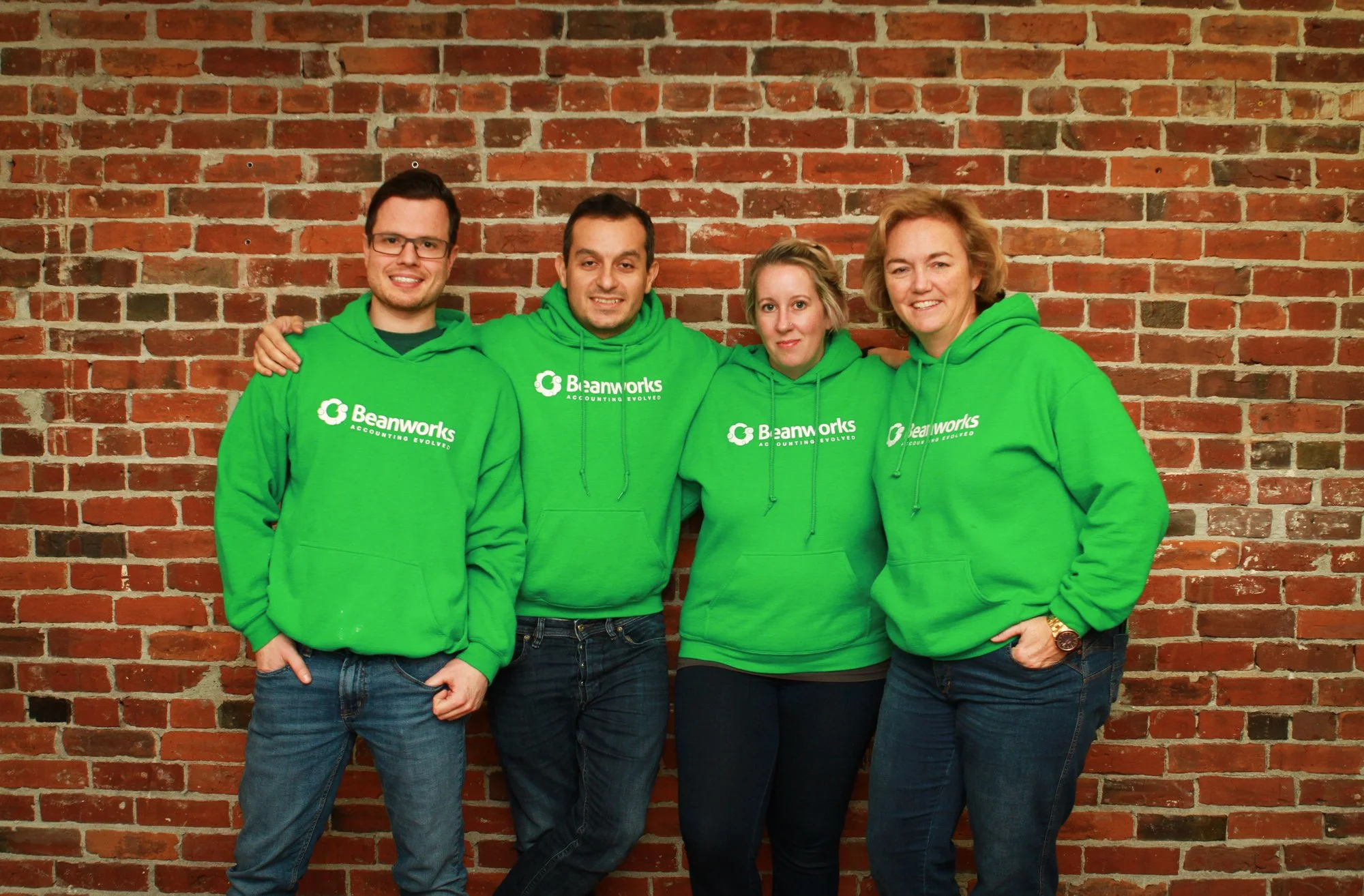
Catherine Dahl, co-founder and CEO of Beanworks, used growth debt from the team behind Coho Growth - to help fund that journey.

"Anything that helps drive revenue helps drive valuation - that extra capital definitely helped us bring our revenue up."
Catherine Dahl, Co-Founder & CEO, Beanworks
At a Glance
Founded: 2012, Vancouver, BC
Sector: Accounts Payable Automation (Vertical SaaS)
Growth Debt Financing: 2017
Capital Efficiency: Raised 40% less than direct competitors while scaling to exit
Exit: Acquired by Quadient, 2021
The Origin: AP Was Broken, and Everyone Knew It
Beanworks started as Bean Services in 2012. The founding insight was straightforward: accounts payable was one of the most painful, manual processes in any finance team's workflow - and no one had built software that truly solved it.
The team found early customers and built real revenue. But as the business matured, it became clear that the original product architecture couldn't scale the way the market demanded. A full rebuild into a multi-tenant SaaS model was necessary - not a minor update, but a fundamental re-platforming.
That decision created an unexpected problem with investors.
"We had customers and we had revenue. This worked against us somewhat, because investors couldn't understand why we weren't growing. We needed to rebuild our product, which was going to take some time."
Catherine Dahl
The founders estimated the rebuild would take 13 months. It took just over three years - and another six years after that to grow the business to a valuation where a strong exit was possible. Building something durable rarely follows the original timeline.
The Capital Raising Journey
With real revenue but a product in transition, Beanworks needed a funding partner who could look past the short-term growth curve and understand what the business was actually building toward.
In 2017, Beanworks raised its Series A and paired it with growth debt from Mike, Mark, and Rob - a structure that gave the company capital to execute without giving up equity at a moment when valuation wasn't reflecting the company's true trajectory.
The proceeds went into engineering and sales - the two functions that needed to grow in parallel as the new product took shape. Beanworks used the runway to build, hire, and retain customers through the transition.
As the rebuild progressed and equity became available on better terms, Beanworks stepped out of the debt arrangement. But by then it had done what it was meant to do. Beanworks was just over $1M in ARR at the time of the financing. The company went on to double revenue year over year.
Capital Efficiency as a Strategic Advantage
What defined Beanworks wasn't just growth - it was how the company grew.
At a time when SaaS competitors were raising large rounds and burning accordingly, Beanworks raised 40% less capital than its peers and stayed lean through every stage of scaling. During the pandemic, when others raised $25–50M in defensive rounds, Beanworks raised USD $4M and kept executing.
That discipline - spending where it counted, protecting the business everywhere else - is what made the Quadient acquisition possible, and what made it a genuine outcome rather than a forced exit.
The Outcome
Beanworks was acquired by Quadient in 2021, a strong result for founders, employees, and investors. The company had grown from a difficult product transition period into a recognized leader in AP automation - built with less capital, and more durability, than almost anyone in its category.
"Debt is a good way to go - if your revenue is high enough and you don't want to raise equity funding."
Catherine Dahl
Catherine's experience with growth debt early in Beanworks' journey shaped her perspective on how founders should think about capital.
A Note from Coho Growth

Mike Walkinshaw, Mark Bakker, Rob Foxall: Co-Founders, Coho Growth
The Beanworks story is one we've carried with us. Catherine built a real business through a genuinely hard period - product in transition, investor skepticism, a long road to exit - and did it with discipline and conviction. The growth debt she used wasn't a shortcut. It was a tool she applied thoughtfully, at the right moment, for the right purpose.
That's exactly the kind of founder we look to back at Coho Growth. We're proud to have played a role in the Beanworks story, and proud to have Catherine as part of ours.